
Things to Visit in Lisbon: Smart Routes and Must-See Spots
Discover the best things to visit in Lisbon: museums, neighborhoods, viewpoints, food markets and practical costs, with exact prices and insider tips.

Start here: the sensory shock that makes Lisbon unforgettable
Lisbon hits you first with light, then with hills, and finally with tiles. The direct insight: Lisbon is compact yet layered, and you can see three eras of Portuguese history in a single riverside walk from Belém to Praça do Comércio. Lisbon’s metropolitan area holds about 3.0 million people, so you get big-city services with small-city walkability. (en.wikipedia.org)
Walk straight into concrete details you can use: the Belém cluster packs four headline attractions within 1.2 kilometers, making a high-value morning when you start early. Visiting the Mosteiro dos Jerónimos and Torre de Belém back-to-back saves transport time and gives you the clearest view of Portugal’s Age of Discovery architecture, both outside and inside. According to the national monuments authority, the Mosteiro dos Jerónimos is open Tuesday to Sunday, with cloister visits generally from 9:30 to 17:30, and the official entrance fee is listed at around €18 for adults. The Torre de Belém is a separate ticket, usually about €15. Book the monastery first, then the tower, to avoid long ticket lines. (www2.gov.pt)
A practical first rule to apply today: pick a neighborhood as your base, not a single sight. The neighborhoods are the experience. For example, staying in Alfama puts you within a 15 to 30 minute walk of São Jorge Castle, Lisbon Cathedral, and multiple viewpoints. This reduces taxi or rideshare costs, and makes early-morning or late-evening photo windows realistic. For timing, aim to arrive at busy monuments between 09:00 and 10:00, right after opening, to cut typical queues by 50% or more. Local tip: many museums and monuments have validated schedules and price lists on the government or official attraction websites, so always check the monument’s page before you go. (castelodesaojorge.pt)
Riverside monuments you can visit in one morning, with exact costs
Answer first: aim to visit the Belém cluster early: Mosteiro dos Jerónimos, Padrão dos Descobrimentos, MAAT, then Torre de Belém. Combined, expect about 2.5 to 4 hours, with predictable tickets and short walks between sites. Here are verified numbers and timings you can rely on when planning.
Mosteiro dos Jerónimos: the monastery’s cloisters and museum areas are typically open Tuesday to Sunday from 9:30 to 17:30, with the ticket price recorded at about €18 for adults under the national monuments pricing rules. The church interior has different opening times for liturgical use, and the ticket office usually closes earlier than the monument. Book online when possible to avoid the long on-site queue. (www2.gov.pt)
Torre de Belém: the tower sits at the river edge and is typically priced at about €15 per adult under the same monument pricing schedule. It is small inside, so allow 30 to 45 minutes, and pair it with the riverside promenade for photos. For a single, hassle-free purchase consider combined tickets or guided options that include both Belém Tower and the Jerónimos Monastery, often sold in packages either from official channels or trusted resellers. (museusoaresdosreis.gov.pt)
MAAT (Museum of Art, Architecture and Technology): MAAT’s official ticket policy lists categories and visitor prices on its site; nonresident adult fares for exhibitions typically appear in the €11 to €15 range depending on the show, and the museum is open Wednesday to Monday 10:00 to 19:00. The modern riverside building gives excellent roofline photos, and the MAAT walkway is a free viewpoint even if you skip paid exhibits. Always check MAAT’s official tickets page for timed-ticket exhibits. (maat.pt)
Practical sequence: start at Mosteiro dos Jerónimos at 09:30, walk the Praça do Império to Padrão dos Descobrimentos, cross to MAAT for the late morning, then end at Torre de Belém for early afternoon light. Apply this: buy at least one timed ticket in advance for Jerónimos or MAAT, and reserve an extra 30 minutes for coffee at Pastéis de Belém across the street. (www2.gov.pt)
Historic districts and the best order to explore them without wasting time
Answer first: the most efficient path to feel Lisbon is Alfama to Castelo to Baixa to Chiado to Bairro Alto, and finally to Cais do Sodré, all on foot or by short tram rides. This chain visits narrow medieval lanes, a hilltop castle, the grid of Baixa for shopping, Chiado for cafés and theatres, and Bairro Alto for evening life. It is how locals string their day. Concrete timing and costs follow.
Alfama and São Jorge Castle: São Jorge Castle’s official site lists an adult ticket price of €17, with discounted youth and senior tickets available; allow 60 to 90 minutes for ramparts and archaeology. Start in Alfama at sunrise or early morning, then walk uphill to the castle before crowds arrive. The castle’s ticket page also lists specific discounts and free-entry categories, so bring ID if eligible. (castelodesaojorge.pt)
Sé de Lisboa, the Cathedral: the main nave usually has free access, but the cloisters, treasury, and upper areas commonly charge a small admission, typically around €3 to €5 depending on the area you want to visit. If you only want exterior photos and the atmospheric interior nave, you can do that for free and save the paid cloister visit for a day when you have time. (lisbonportugaltourism.com)
Baixa and Chiado: Baixa is flat and walkable, designed after the 1755 earthquake, so it is where you recover from Alfama’s hills. The Rua Augusta Arch charges a small entrance fee for rooftop views, usually modest (€3 to €6). From Baixa you can walk up to Chiado for pastry shops and the famous A Brasileira café. Chiado’s streets are compact; add 30 to 60 minutes to linger over coffee or a tram stop photo. Practical insight: hike down from São Jorge into Baixa rather than walking back up, this saves an extra 20 minutes of uphill effort and keeps your legs fresh for later viewpoints. (viagem.decaonline.com)
Tram 28 and practical cautions: Tram 28 traverses much of this route, but it is heavily touristized and often slower than walking during crowded hours. If you ride it, board early or enter at secondary stops, watch for pickpockets, and avoid relying on it as your only sightseeing transport. A 24-hour public transport pass can give you flexibility if you plan several tram or metro rides in one day. (lisbonportugaltourism.com)
Food, markets and where to eat well without tourist traps
Answer first: sample one signature sweet, eat a petiscos meal, and visit a market to combine food, people-watching, and cost control. The actionable formula: one pastry stop, one market meal, one sit-down petiscos dinner. Below are exact prices and locations to use.
Pastéis de Belém: these are the original custard tarts, sold at Pastéis de Belém near the monastery. Recent local reports and guides list the single tart price around €1.40 to €1.60, and a box of six often priced near €8.40; opening hours typically start around 08:00 and often extend into the evening. Expect a queue; go early or late afternoon to avoid the longest lines. If you want the authentic Pastéis de Belém ritual, buy and eat them immediately for the best texture. (visit-lisbon.net)
Time Out Market (Mercado da Ribeira): this food hall gathers over 25 chef-led stalls and a range of price points. Opening hours commonly run 10:00 to 00:00, and a casual meal is often €10 to €20 per person; a two-person dinner with drinks will commonly reach €30 to €50 depending on choices. The market is perfect for groups or indecisive travelers because everyone can choose separately, then share. For cost control, set a per-person budget and choose 2 or 3 dishes to share rather than full-priced entrées. (timeout.com)
Feira da Ladra flea market and Mercado de Santa Clara: Feira da Ladra runs Tuesdays and Saturdays, roughly 09:00 to 17:00 to 18:00, at Campo de Santa Clara in Alfama. It is a prime spot to find tiles, vinyl, secondhand books, and quirky souvenirs. Bargain hard; vendors expect negotiation, and many stalls accept cash only. Morning Saturdays have the fullest selection. (portugal.com)
Practical eating tip to apply now: when you eat petiscos (Portuguese small plates), order 3 items per two people plus one dessert, this typically equals a satisfying meal for €18 to €30 per person in a mid-range restaurant. Also, check menus posted outside before you sit; many tourist traps hide high service charges in the small print. For one immediate action, today look up Time Out Market menus online and pick two stalls you want, then reserve a 12:30 lunch slot when crowds thin. (timeout.com)
Museums, tile art, and modern architecture with exact ticket data
Answer first: Lisbon’s museum mix gives high cultural yield for modest prices, but opening status varies due to renovations and timed exhibits, so verify tickets before heading out. The concrete data below helps you pick the right museum day based on budget and interest.
National Tile Museum (Museu Nacional do Azulejo): this unique museum in an old convent focuses on Portuguese tile art. Official national pricing documents list the Azulejo Museum adult ticket at around €10, with occasional reductions for seniors and young people. Plan 60 to 90 minutes for a solid visit; allow extra time if you want to photograph the monumental nave and the tile panoramas. (museusemonumentos.pt)
MAAT: as covered earlier, MAAT’s admission for nonresident adults often sits between €11 and €15 depending on the exhibition. MAAT’s riverside location and rooftop walk allow free exterior photographs and views even if you skip paid galleries. If you want to see a headline exhibit, book a timed entry to avoid sold-out slots. (maat.pt)
Calouste Gulbenkian Museum: the Gulbenkian houses a remarkable collection, but as of official notices the main museum was closed for renovation until around July 2026, with the modern art center (CAM) and gardens partially available and occasional free access windows. Check the museum’s official page before visiting, and use the gardens as a low-cost cultural stop while the main building is renovated. (gulbenkian.pt)
Oceanário de Lisboa: the aquarium in Parque das Nações lists adult tickets frequently near €17, with children and senior categories at discounted rates. Opening hours are commonly 10:00 to 20:00, last entry 19:00, making it ideal for late-afternoon visits when families finish other activities. Book online for predictable entry times. (oceanario.pt)
Actionable museum rule: choose one paid museum per day, and complement with free viewpoints or exterior architecture. For the day you visit the Azulejo Museum, combine it with the National Pantheon and Feira da Ladra to make the most of that part of the city. Always print or save the museum ticket confirmation and arrive 20 minutes before your timed entry. (museusemonumentos.pt)
Hidden gems, nightlife and offbeat places locals actually visit
Answer first: step off the main sight circuit and you get three payoffs: fewer crowds, richer conversations, and unique photographs. Here are specific offbeat spots with practical tips you can use immediately.
LX Factory, Alcântara: LX Factory is an arts-and-design campus in former industrial buildings on Rua Rodrigues de Faria. It hosts bookshops, artisanal stores, restaurants, and a lively Sunday market. Opening hours vary by shop, but galleries and café spaces often open around 10:00; rooftop bars operate later for sunsets. LX Factory is ideal for late-afternoon exploration and an affordable rooftop drink. (metalship.org)
Panorâmico de Monsanto and Miradouros: aside from the classic Miradouro da Senhora do Monte and Miradouro de Santa Catarina (Adamastor), head to Panorâmico de Monsanto for an urban ruin turned panorama that photographers prize. Public viewpoints are free; Miradouro da Senhora do Monte is reachable by a 20-minute uphill walk from Graça. Arrive 30 minutes before sunset for the best light, and bring a small torch for the return if you descend after dark. (localguidegrancanaria.com)
Pavilhão Chinês and hidden bars: Pavilhão Chinês is a themed cocktail bar with a dense, museum-like interior. Expect higher prices for drinks (cocktails typically €10 to €15), but the experience is one-of-a-kind and appropriate for a single special evening. For cheaper local nightlife, Bairro Alto’s bar streets put drinks at €4 to €8 in many traditional spots. (discover-portugal.com)
Feira de Ladra revisited and antique shopping: pick a Tuesday morning if you prefer lighter crowds, and a Saturday if you want the fullest set of vendors. Bargain by offering 60 to 70% of the asking price for items clearly secondhand, then meet in the middle. Cash remains king here. (portugal.com)
Local action to try tonight: book one fado casa for an intimate show in Alfama or Bairro Alto, but if you prefer authenticity and lower cost try a fado vadio night at Tasca do Chico where you may pay only for drinks or a small cover. Typical dinner-and-show packages in established casas often run €50 to €70 per person, while simpler tavern performances can cost €10 to €25. Reserve ahead for weekends. (hellotickets.com)
Day trips and logistics: Sintra, Cascais and how much they will cost
Answer first: Sintra and Cascais are the two best day trips from Lisbon for architecture and coastline; a realistic, low-stress budget for each day trip is €10 to €35 per person extra, depending on entries and transport choices. Book the main palace or park tickets in advance for Sintra, and choose Cascais for beaches and seafood.
Sintra by train: Comboios de Portugal operates frequent urban trains to Sintra. A one-way urban CP ticket from Lisbon to Sintra typically costs around €2.30 to €3.00 depending on origin station and ticket type, and there are combined 24-hour CP/Carris/Metro options for around €10 to €11 that include unlimited travel for the day. The Palácio da Pena charges a separate admission, often in the €14 to €20 adult range depending on whether you buy park-only or palace-plus-park tickets; the Park-only ticket can be a cheaper alternative at about €7.50. Book timed entries for Pena Palace to avoid being turned away at busy times. (acachopa.com)
Cascais and the coastal train: the Cascais line from Cais do Sodré is scenic and affordable, often costing around €2.20 one-way on CP suburban services. Cascais is an easy half-day or full-day trip for beaches, the Boca do Inferno cliffs, and seafood restaurants. Factor in bike hire or a short taxi for coastal stretches if you want to cover more ground. (cp.pt)
Transit card practicals: decide whether you want pay-per-ride via the occasional Navegante/Viva Viagem card, which costs a small issuance fee of about €0.50 plus top-up, or a 24-hour Carris/Metro pass costing roughly €6 to €7 depending on the year. If you plan to use metro, tram and urban trains in the same 24-hour window, the combined 24-hour CP/Carris/Metro ticket can save money and unpredictability. Always validate your CP ticket at the station validators before boarding to avoid fines. (acachopa.com)
Immediate action to apply: if you plan a Sintra day, reserve your Pena Palace timed ticket this afternoon, and buy a return train ticket from Rossio or Oriente with at least one flexible time in case you stay longer. This prevents the single biggest day-trip mishap, which is arriving with no palace access. (penapalace-tickets.com)
Common mistakes visitors make and exact ways to avoid them
Answer first: the most common mistakes are trying to see too many paid monuments in one day, over-relying on Tram 28, neglecting timed-ticket booking, and not validating transport tickets. Each mistake has a precise fix below.
Mistake 1, packing too many paid monuments: visitors often plan three paid monuments in one day and burn time standing in lines. Fix: limit to one paid monument plus free viewpoints or markets per half day. For example, pair Mosteiro dos Jerónimos (€18) with Pastéis de Belém and MAAT’s exterior walk for the morning. That reduces onsite waiting time by half, and lets you keep a reasonable pace. (www2.gov.pt)
Mistake 2, treating Tram 28 as a sightseeing shortcut: Tram 28 is iconic, but during peak hours it becomes crowded and slow, often offering worse photos through windows. Fix: either walk the same route for more photo opportunities and fresh-air stops, or use a 24-hour pass and board at noncentral stops early. If you must ride, pick earlier departures or board at the middle stops to increase the chance of a seat and a window photo. (lisbonportugaltourism.com)
Mistake 3, not validating train or bus tickets: Comboios de Portugal requires validation and ticket checks are frequent. If you are using a CP urban train to Sintra, validate at the station validator or risk a fine. Fix: always validate a CP ticket and keep receipts until your journey is complete. The same goes for Viva Viagem or Navegante cards on metro and Carris. (cp.pt)
Mistake 4, ignoring museum closures or renovations: major museums like the Calouste Gulbenkian may be temporarily closed for renovation. Fix: check official museum pages for closures and reopen dates before you build an itinerary. For instance, the Gulbenkian had renovation notices with reopening around July 2026, so always verify a week before travel. (gulbenkian.pt)
Immediate checklist you can apply today: 1) choose one paid monument per morning and book it online; 2) buy or reserve a Viva Viagem or occasional Navegante card if you plan more than two rides; 3) screenshot or print ticket confirmations; 4) set alerts for 30 minutes before museum timed entries. These four steps cut the most common day-of stressors. (acachopa.com)
Conclusion: practical next steps and one thing to do today
Answer first: plan with one paid monument, one market, and one neighborhood walk per day. That gives you deep experiences without exhaustion, and keeps costs predictable. Now the synthesis with concrete next steps.
-
Choose your base neighborhood. If you want hills and fado, pick Alfama; for flat streets and central access, choose Baixa or Chiado; for creative shops and nightlife, stay near Bairro Alto or Cais do Sodré. Practical indicator: staying in Alfama moves you within 15 to 30 minutes walk to São Jorge Castle and multiple viewpoints, saving transfer time and taxi expense. (castelodesaojorge.pt)
-
Book one timed monument for your first full day. Pick either Mosteiro dos Jerónimos (€18) if you want history and Belém, or São Jorge Castle (€17) if you want panoramas and medieval archaeology. Reserve the ticket online now to secure a morning slot. Check official ticket pages to confirm current prices and entry windows. (www2.gov.pt)
-
Reserve a food plan: go to Pastéis de Belém early for fresh custard tarts at about €1.40 to €1.60 each, then have lunch at Time Out Market for flexibility and a clear price range of €10 to €20 per person. If you want local nightlife, book a Fado casa or aim for a Tasca do Chico-style tavern for a lower-cost, authentic experience. (visit-lisbon.net)
One specific thing you can do today: pick a morning timed-ticket for either the Mosteiro dos Jerónimos or São Jorge Castle, print or save the confirmation on your phone, and set your calendar reminder for 30 minutes before the entry time. That single action transforms a vague travel plan into a concrete, stress-free experience. After booking, map the walking route between your monument and a nearby café or viewpoint to create a balanced micro-itinerary. (www2.gov.pt)
Related guides

48 hours in Porto: a Lisbon resident’s working itinerary
48 hours in Porto itinerary that skips tourist theatre. Plan Ribeira, wine cellars, Foz, Matosinhos, and one best day trip. Use this today.

Barcelona to Lisbon by train: a realistic overland plan
Barcelona to Lisbon options, from a practical Renfe to CP route with possible overnight stops, plus a smarter flight comparison.

Best time to visit Portugal, a Lisbon resident’s answer
best time to visit portugal depends on your goal. Lisbon walking, beach warmth, surf season, Porto wine, Algarve crowds, plus IPMA climate normals.
Carcavelos Beach, Lisbon-easy without clichés
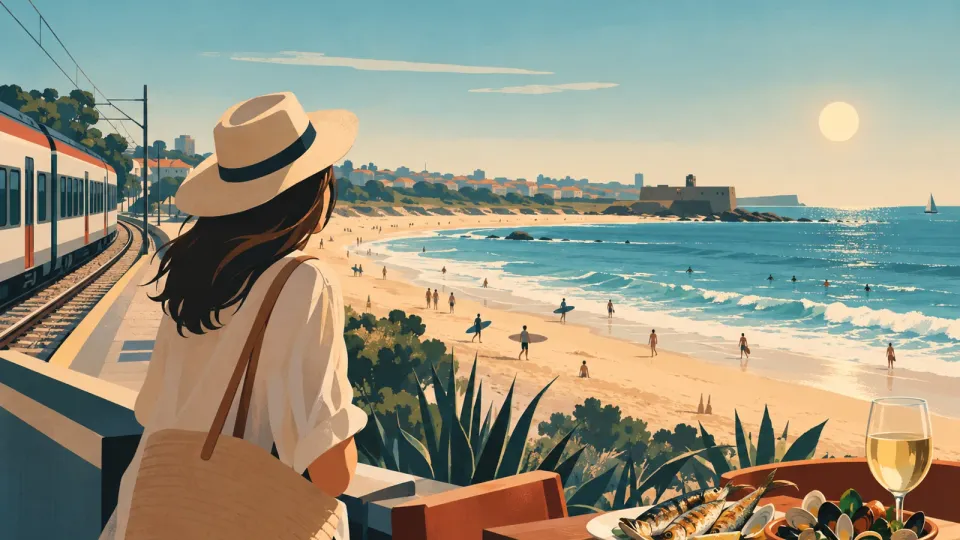
Get to Praia de Carcavelos in 30 minutes by train, stress-free. Where to board, which station is calmer, parking tips, and where to eat seafood.