
Tomar in one day: Convent of Christ, town and river
Tomar in one day: Convent of Christ, town and river. A practical route for the hilltop UNESCO site, the Nabão river walk, and lower-town highlights.

Start here: the one-day plan that works even if the hill area limits tickets
If you want Tomar in one day: Convent of Christ, town and river, build your day around two zones:
- The hilltop monumental ensemble (Convent of Christ and the Templar Castle area, linked but not identical)
- The compact lower town and Nabão river (easy to enjoy even if the hill gets limited)
A common mistake is treating the whole ensemble as one single entrance and assuming every interior space is available. Local tourism information can distinguish Templars Castle access from Convent of Christ access, so you should plan to check availability for each part separately, before committing time for interiors.
Here is the simplest structure that keeps your day flexible:
- Morning hill visit window: Convent of Christ first (arrival early), then decide whether the linked castle area is open.
- Midday river and old-town reset: walk the river edges, pause in the historic core, and eat before you return for any remaining interior.
- Late afternoon backup: if interior areas are limited, focus on exterior views, streets, and riverside heritage.
For opening hours, use the official Convent of Christ ticket office guidance that lists seasonal hours and the closed dates. On the monument information page, it states hours that differ by season, with specific annual closures (for example, January 1st, March 1st, Easter, May 1st, and December 25th). (turismo.cm-tomar.pt)
For background context, Tomar’s Templar heritage and the Nabão river connection are described in Portugal’s official travel information. (visitportugal.com)
Convent of Christ, the hilltop masterpiece: what to prioritize first
The hilltop Convent of Christ is the UNESCO anchor for Tomar, and it is surrounded by the walls of the Castle area. UNESCO notes the monument’s long story and architectural mix, and also states the Convent is open to the public and that the church still holds religious services. (whc.unesco.org)
When you enter the hilltop area, prioritize based on your goals:
- Architecture first: focus on the Manueline highlights that make this site famous, especially the Chapter Window (commonly treated as an icon of Manueline art on the monument ensemble page). (turismo.cm-tomar.pt)
- The Charola experience: the octagonal round sanctuary is described as part of the Castle complex, but it is often experienced as a signature interior once you reach the monumental ensemble. The local monument information describes it as the Templar oratory linked to the Holy Sepulchre reference. (turismo.cm-tomar.pt)
- Cloister atmosphere: the Main Cloister is highlighted as the emblematic cloister of the Convent, associated with retreats, processions, and prayer. (turismo.cm-tomar.pt)
Plan for a realistic pace. The hilltop complex is large, and reading the spaces as you go is part of the value. Instead of trying to maximize every interior room, choose a “must” list:
- Chapter Window stop
- One major interior sanctuary (often the Charola)
- Main Cloister walk
Then, use the rest of your time based on what is open.
Important: the official local monument page you will find for “Convent of Christ and Templar Castle” states that Templars Castle is temporarily closed due to conservation and restoration work, but it does not claim the whole Convent of Christ is closed. Treat “castle closure” and “convent availability” as separate checks. (turismo.cm-tomar.pt)
Finally, confirm opening hours close to your date. The ticket office guidance includes seasonal hours and listed closures. (turismo.cm-tomar.pt)
The Templar Castle area vs Convent of Christ: how to avoid the closure trap
The closure trap is simple: people see a single tourism page that references the combined “Convent of Christ and Templar Castle” ensemble, then conclude the entire UNESCO complex is shut.
However, the local Turismo Tomar monument entry explicitly states: “The Templars Castle is temporarily closed due to conservation and restoration work.” (turismo.cm-tomar.pt)
That wording matters because it separates what may be unavailable (castle area) from what may remain accessible (Convent of Christ elements). Use this rule of thumb for planning:
- If you are booking or timing your day, treat castle and convent as different “visit blocks”.
- When you arrive, decide in real time whether you can access the castle walled enclosures.
- Do not assume interior spaces beyond the Convent of Christ are guaranteed.
Concrete way to apply this in your one-day route:
- Build your morning around the Convent of Christ interior priorities.
- Keep your castle decision flexible. If castle entrances are closed, you still have a rich UNESCO experience.
- Use the lower town to protect your schedule. If the hill slows down, the Nabão river and old streets still deliver the “town and river” part of your day.
For extra planning confidence, check the official ticket office opening hours guidance for the Convent of Christ. The monument entry lists different hours by season, plus specific annual closures. (turismo.cm-tomar.pt)
Also note that UNESCO emphasizes the Convent’s continued public access and religious services. (whc.unesco.org)
Bottom line: plan to be adaptable, not worried. If one part closes, the day does not collapse, because Tomar’s story also lives along the Nabão river and through the historic core. (visitportugal.com)
Nabão river and lower town: the relaxed side of Tomar
Tomar’s river experience is not an afterthought. Portugal’s official travel information describes how the River Nabão crosses the city, and points to convent sites and historic landmarks along the banks. (visitportugal.com)
A lower-town approach makes your day feel complete, especially if the hilltop visit runs long or interior access changes.
Here is what to look for while staying close to the river and old streets:
- Riverside viewpoints and slow walking: keep the route mostly flat and let the scenery do the work.
- Convent-related church stops on the river side: official tourism information highlights the Church of Santa Maria do Olival, with burial connections for Templar figures mentioned in the Portugal travel description. (visitportugal.com)
- A town-core rhythm: browse quiet streets, stop for coffee, then come back to the river when you are ready for a longer walk.
For a planning “swap” that protects your day:
- If you expected multiple hill interiors but find limited access, shift time toward the river corridor and the nearby historic churches.
- If you finish hill priorities quickly, use the river walk to slow down without losing momentum.
This is also where Tomar feels like a real place, not just a monument stop. The river gives you a natural divider between the intense hilltop experience and the calmer town life.
If you want one simple guideline for your timeline: aim to be on the river side for your midday break, when you can eat, rest your feet, and still feel connected to the Templar landscape that UNESCO and official guides link to the city. (visitportugal.com)
One route, two options: hill-first or river-first (with a realistic checklist)
Use this section as a decision tool. Most independent travelers do better with a clear plan, then a backup if interiors are limited.
Option A, hill-first (most people’s best shot)
- Arrive early at the Convent of Christ to maximize available interior time.
- Hit your musts: Chapter Window area, then one signature interior sanctuary, then Main Cloister.
- Check castle area access on the spot. Remember, castle and convent access are not the same thing. (turismo.cm-tomar.pt)
- Move down to the Nabão corridor for lunch and a river walk.
Option B, river-first (for flexible days)
- Start with a lower-town and river loop so you are not rushed.
- Spend late morning or early afternoon on Convent of Christ priorities.
- If the castle area is closed, you still keep the day’s main UNESCO experience.
Checklist that prevents the biggest day-trip mistake
- Check Convent of Christ opening hours and the listed closures (the official guidance includes seasonal hours and specific closure days). (turismo.cm-tomar.pt)
- Treat the castle area as conditional if you see a “castle temporarily closed” message on the ensemble page. (turismo.cm-tomar.pt)
- Plan your walking time as two zones: hilltop for interiors, lower town and river for atmosphere.
Quick comparison table: what to aim for in each zone
| Zone | Best use of time | What to prioritize | If access is limited |
|---|---|---|---|
| Hilltop ensemble | Interiors and architectural reading | Chapter Window, major sanctuary, Main Cloister | Focus on whatever Convent areas are open, then descend |
| Lower town and river | Recovery, views, town feel | Nabão riverside walking, nearby church landmarks | Extend the river loop and historic streets |
Tomar’s Templar story is tied to the city’s geography, with the Nabão river described in official travel content and UNESCO linking the Convent’s historical and architectural significance to the wider ensemble. (visitportugal.com)
An example day timetable for Tomar in one day
Below is a sample schedule designed for independent travelers. It assumes you start the morning in the hilltop area, then move to the river and lower town.
Example timeline (adjust to your transport)
09:00 to 11:30
- Enter the hilltop monumental ensemble and focus on Convent of Christ priorities.
- Use the Chapter Window and Main Cloister areas as your anchors.
11:30 to 12:00
- Quick decision check: is the Templar Castle area accessible, or is it limited due to restoration closures?
- If castle access is restricted, do not lose time, exit and head down.
12:00 to 14:00
- Lunch in the lower town area.
- Nabão river walking loop for views and a decompression break.
14:00 to 16:00
- Optional second round at the Convent of Christ only if interior access remains useful.
- Otherwise, prioritize nearby historic church stops linked to the city’s Templar context.
16:00 to 18:00
- Finish with a final riverside walk or old-town street stroll.
- Leave buffer time for your return transport.
What this timetable assumes (and what it does not)
- It does not assume the castle area is open. Local tourism information says the Templars Castle is temporarily closed due to conservation and restoration work, even while keeping the Convent of Christ experience separate. (turismo.cm-tomar.pt)
- It does not assume you can enter every interior. It stays conditional by design.
Transport help, without car dependency
If you are building a wider itinerary, pair Tomar with Portugal by train planning. One useful resource for chaining stations and routes without a car is Portugal by Train: Routes, Stations and a Car-Free Week.
Fast planning details: hours, closures, and the one call that saves a day
Before you set your exact arrival time, confirm three things: hours, closed dates, and which parts of the ensemble are open.
Convent of Christ hours and closures (official guidance)
The Turismo Tomar monument entry provides ticket office opening hours for the Convent of Christ:
- Winter (October to May): 9 am to 5:30 pm (last entry 5 pm)
- Summer (June to September): 9 am to 6:30 pm (last entry 6 pm)
- It also lists annual closures including January 1st, March 1st, Easter, May 1st, and December 25th. (turismo.cm-tomar.pt)
Castle area status (separate check)
The same tourism entry states that the Templars Castle is temporarily closed due to conservation and restoration work, while describing the monumental ensemble. (turismo.cm-tomar.pt)
Because of that separation, you should plan as if the castle part might not be accessible, then treat any access as a bonus.
The one call that saves a day
If you arrive and your plan depends on interiors, use the official contact listed for the monument ticket office area on the Turismo Tomar entry, including the portaria number shown there. (turismo.cm-tomar.pt)
(Example, hypothetical scenario: if your day has to be re-timed because you reached the hill late, a quick confirmation can help you decide whether to keep time for an extra interior or switch fully to the river and lower town.)
Planning for day-trippers vs overnight travelers
A one-day trip works best with a flexible “must list.” Overnight travel is better only if you want repeat visits to the hilltop for deeper reading, and longer evenings in the town. For your one-day focus, keep it simple: Convent priorities first, river second.
For a broader regional sense of what connects Tomar to the Lisbon and Tagus Valley World Heritage Monastery Route, the official Visit Portugal description points to the area context. (visitportugal.com)
Compare Tomar with nearby culture stops: how to avoid the Lisbon-only mindset
Tomar deserves a full, self-contained day. It is tempting to treat it as an easy add-on to a Lisbon trip, but that can cause the biggest mistake in your planning: rushing the hilltop UNESCO experience and cutting the Nabão river and town feel.
Here is the clearer comparison:
- Lisbon side trips often reward “quick hits” because you stack many sights in a dense city.
- Tomar is different. Your time is better spent between two zones: the hilltop Convent of Christ setting and the lower town river corridor. (visitportugal.com)
Use this rule: if you have only one day, you are not trying to maximize everything in Portugal. You are trying to experience Tomar’s one-day shape.
A good way to keep your itinerary realistic is to plan Tomar as its own destination block, then connect it to your overall route.
If you want help chaining day travel without a car, Portugal by Train: Routes, Stations and a Car-Free Week can support your larger movement planning.
And if you are also considering Coimbra for a multi-stop Portugal itinerary, Coimbra Portugal travel guide: 2 days, real Coimbra is a good comparison for how to pace another UNESCO-rich city without cramming.
The Tomar-specific takeaway is simple: don’t build your day around the assumption that every interior at the hilltop is available. Local tourism information distinguishes castle closure from Convent of Christ access, so your river and town plan is what makes the day feel successful even on imperfect days. (turismo.cm-tomar.pt)
Wrap-up: the next step to lock in your Tomar day
To make Tomar in one day: Convent of Christ, town and river feel smooth, do one action today.
- Check the Convent of Christ opening hours and listed closures using the official hours guidance for the monument. (turismo.cm-tomar.pt)
- Treat the Templars Castle area as conditional, because local tourism information states the castle is temporarily closed due to conservation and restoration work. (turismo.cm-tomar.pt)
- Decide your zone order (hill-first or river-first). Then keep a buffer so you can switch from hill interiors to the Nabão river and lower town if access changes. (visitportugal.com)
If you only remember one misconception, make it this: do not assume “ensemble closure” means the entire Convent of Christ is shut. Plan for a flexible split between Convent and castle areas.
A realistic one-day outcome looks like this:
- You get the UNESCO hilltop experience through Convent of Christ priorities.
- You protect time for the river and old-town atmosphere, so the day still feels complete.
Finally, if you are connecting Tomar into a wider car-free itinerary, use Portugal by Train: Routes, Stations and a Car-Free Week to keep your transport plan coherent.
Do that now, and Tomar becomes an enjoyable, confident day, not a scramble between closures and last-minute decisions.
Related guides
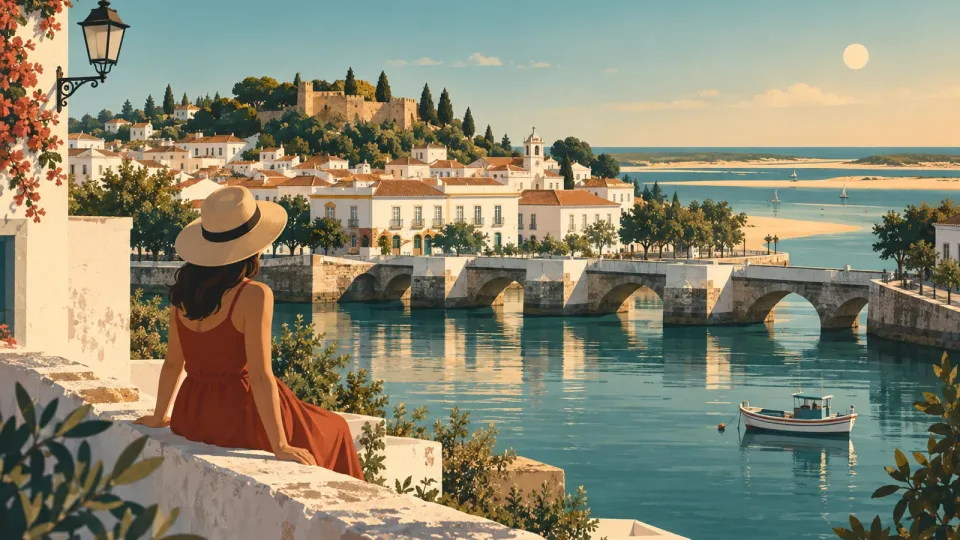
Things to do in Tavira: old town, river and plan
Things to do in Tavira: old town, river and a two-day plan, plus a bridge-to-castle walk, one optional Ilha de Tavira day, and a quick checklist.
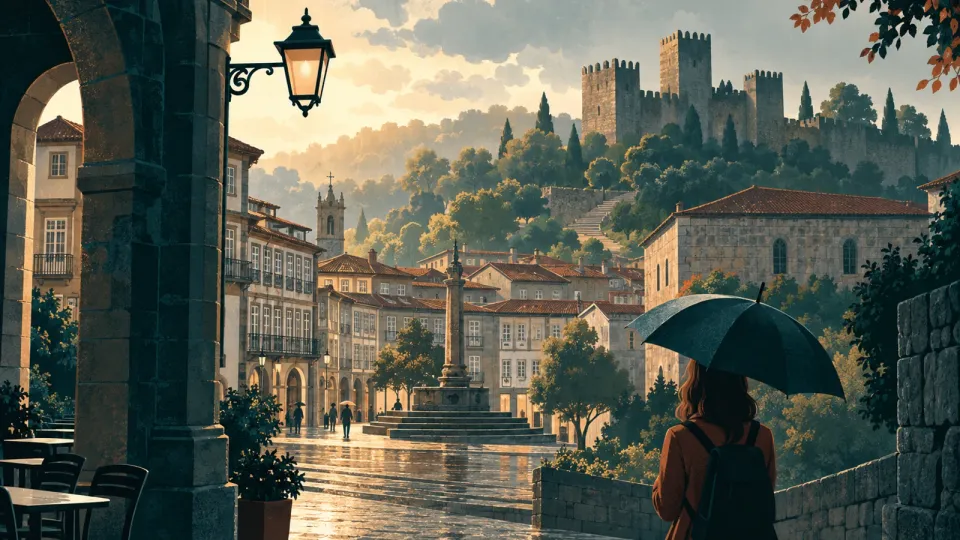
Guimarães in one day: old town, castle and a route
Guimarães in one day, old town, castle and a realistic route: a step-by-step walk from Largo do Toural to Paço dos Duques, with rain and half-day options.
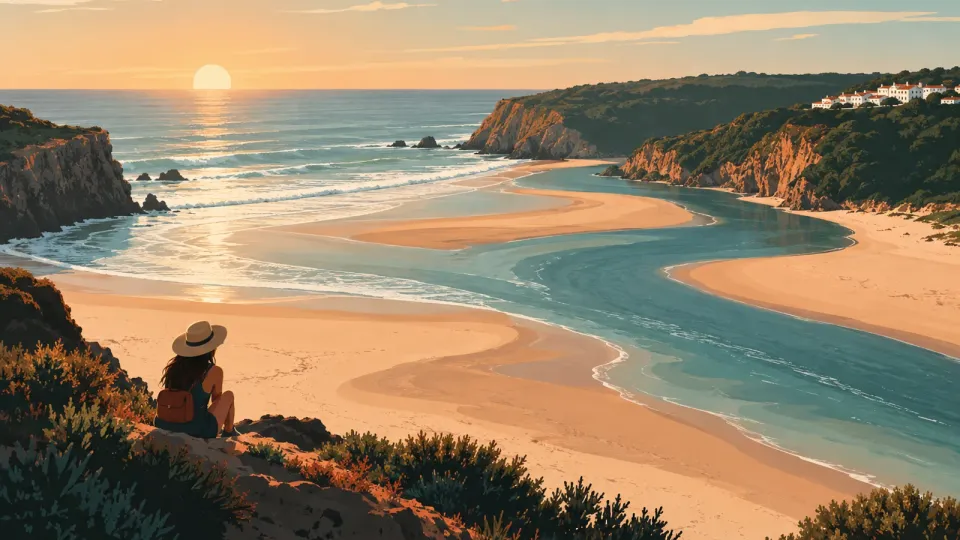
Praia de Odeceixe River-Mouth Guide (Sea and River)
Praia de Odeceixe is sea and river at once, at the Algarve and Alentejo border. Learn tides, access, and safer planning for families.

Praia da Falésia: the Algarve’s longest beach, what no one tells you
Praia da Falésia, 6 km of sand: a practical guide to entrances, real parking, best light and sunset, and whether resort stays are worth it.