
How to make better Instagram Reels: a practical guide
Plan, film and edit clearer Instagram Reels. A practical workflow with worked examples, a visual checklist and lessons from our Reels study.
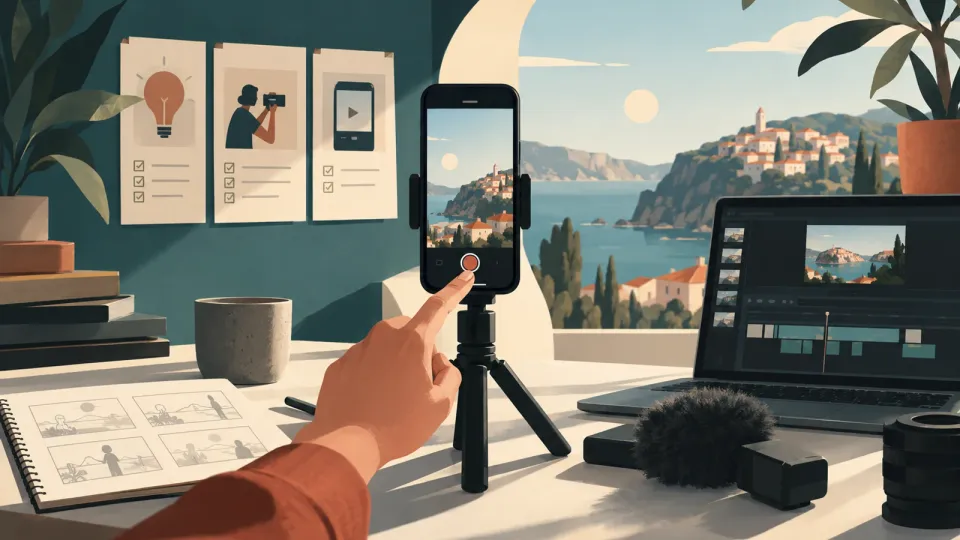
Start with one clear job
To make better Instagram Reels, choose one viewer, promise something specific and show enough to deliver it. Then remove the parts that make the idea harder to follow. You do not need a new effect for every cut. You need a reason for the next shot.
This guide assumes you can make a basic edit. It helps you decide what belongs in it. The examples are teaching exercises, not claims of measured growth.
A video can help someone discover a place, learn a skill, recognise an experience or make a choice. Pick the main job before picking the music. A quiet film can offer a feeling; a tutorial must show a method. Neither needs to pretend to be the other.
Replace a broad audience such as “travel lovers” with a situation: “Someone who returns from a varied trip with photos that all look the same.” That gives the edit a useful problem to solve.
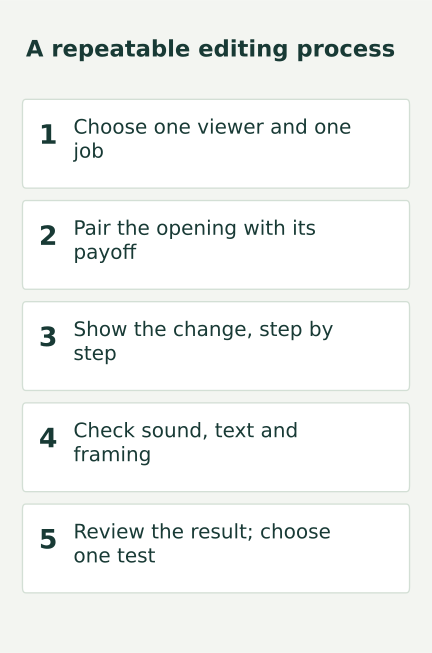
Write the promise and result together
Use this brief: For [person in a situation], this video shows [specific thing]. By the end, they can [useful outcome]. The evidence is [what the video actually shows].
For our example: “For a traveller with repetitive city photos, this video shows three compositions from one viewpoint. They can choose between showing the setting, framing a detail and adding a person for scale.”
Now pair the opening with its result. “Three places you must visit” would mislead: the footage shows one place. “One viewpoint. Three different photographs” fits the material. The ending should show the three results clearly enough to compare.
An opening can reveal the result early. The method then becomes the reason to keep watching. Hiding everything until the final second is not the only way to create interest.
Build a sequence that keeps adding something
Here is a five-shot teaching plan. Its order is a creative proposal, not a tested performance formula. Keep the location consistent so the viewer can inspect the change.
| Shot | What appears | Why it belongs |
|---|---|---|
| 1 | Three finished photos from one viewpoint | Shows the difference worth learning |
| 2 | A wide view and the camera position | Explains how to show the setting |
| 3 | Foreground entering the frame | Shows how to guide attention |
| 4 | A person within the same view | Makes scale and relationship visible |
| 5 | The three results, in the same order | Connects each choice to its result |
Before: five attractive views with no clear relationship. After: three visible choices and the steps behind them. The improvement is a clearer lesson, not a promised rise in views.
Beside each shot, write what the viewer learns or feels that they did not get before. If two shots do the same job, try removing one. Restore it if the action or meaning becomes unclear. A pause may be useful when someone needs time to read or notice a detail.
Use the same method beyond travel
For a cable holder, begin with the problem: a cable falls behind the desk. Show the holder being fitted, then show the cable staying within reach. Keep the hand out of the way at the important moment.
“Keep your cable on the desk” matches that demonstration. “Fix your charging problems” suggests a function the holder does not have. The opening must stay within what the product can do.
For a spoken lesson, replace “Three communication tips” with a concrete problem: “What do you ask when someone says ‘make it better’?” Then show the question you would ask and an example of the clearer answer. The format changes. The need for a specific promise and visible evidence stays.
Review the export on a phone
Use three passes before publishing.
- Without sound: can you follow the key changes? If speech matters, check that the subtitles preserve its meaning. (help.instagram.com)
- With sound: listen through a phone speaker at a modest volume. Lower music that competes with the voice. Check for sudden changes in volume.
- With a fresh viewer: show the video without explaining it. Ask what it offers, what changed and where they lost track.
Check text against the moving image. A label that works on a dark wall may vanish when the camera reaches a window. Check the whole crop, too: a hand can cover the step you meant to teach.
Give the screen one main reading task. A headline, full subtitles and three animated labels may ask for more attention than the lesson needs. Keep useful context; remove competing decoration.
Make the next edit easier to decide
Record the purpose, format, publication date and the date you checked the result. Keep counts from the same post and measurement window together. A seven-day check is one possible tracking habit, not a platform rule.
Compare similar work. A mood film and a tutorial ask different things of a viewer. Views alone cannot tell you whether someone understood the lesson. Write one observed fact, one possible explanation and one next decision.
For example: “Two viewers thought these were three places. The labels may be unclear. I will name the shared viewpoint and check comprehension again.” That is a useful revision even before you know what it will do to reach.
Before your next edit, check five things: one viewer, one main job, a clear promise, visible support and a result that fulfils the promise.
For a one-page summary, the paid guide “The Anatomy of a Viral Reel” sums up its lessons as 12 laws. That page is one of its free samples.
The opening guide develops the promise in more detail. The duration guide helps you decide how much time the sequence needs.
What the research supports
The editing advice above is a practical method, not a measured cause. The data behind these guides is in our Reels Study (andginja.com), alongside every post on André's own account.
A reel's views also depend on its subject, its timing and who sees it first. (about.instagram.com) No sample establishes a formula that guarantees a viral Reel.
Related guides

Best length for Instagram Reels: choose what the idea needs
How long should a Reel be? As short as the payoff allows. Scenery reels did best at 8 to 12 seconds in our travel data. Plan, then cut.
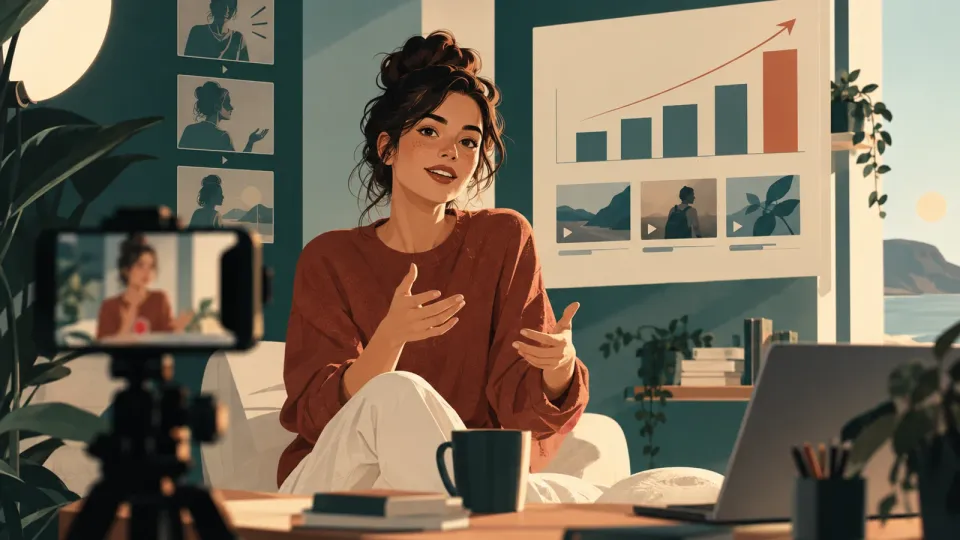
Instagram Reels hooks: write an opening you can deliver
Write clearer Reels hooks with matched opening-and-payoff examples. See why short-hook medians from mixed accounts mislead, and what changes inside each creator's reels.
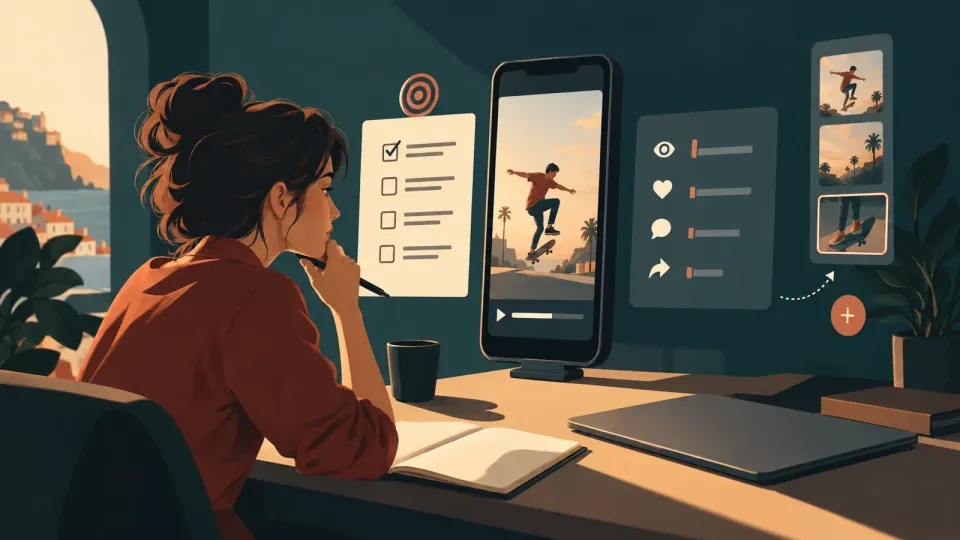
Why your Reels get few views: a practical review checklist
Review a Reel with few views without guessing at the cause. Check the promise, edit and metrics, then choose one useful change to test.

Algarve in October: Plan Your Trip Step by Step
Algarve in October can work well if you plan around cooler nights and rain chances. Use a town base, flexible beach time, and packing checklist.